The United States and China have agreed to cut tariffs imposed on $60 billion worth of goods imported from each other, spanning an array of products ranging from American corn and coal to Chinese household appliances and toys.
Under the US-China Board of Trade framework, both countries each recommended $30 billion of trade in non-sensitive goods for more favorable tariff treatment, US Trade Representative Jamieson Greer said in a statement Sunday. For the United States, the arrangement would unlock improved market access for about 30 percent of US exports to China, Greer said.
The tariff reductions follow a three-day summit last week between US President Donald Trump and Chinese President Xi Jinping in Washington. The two leaders concluded the meeting Friday after discussions that showcased personal diplomacy rather than major public breakthroughs.
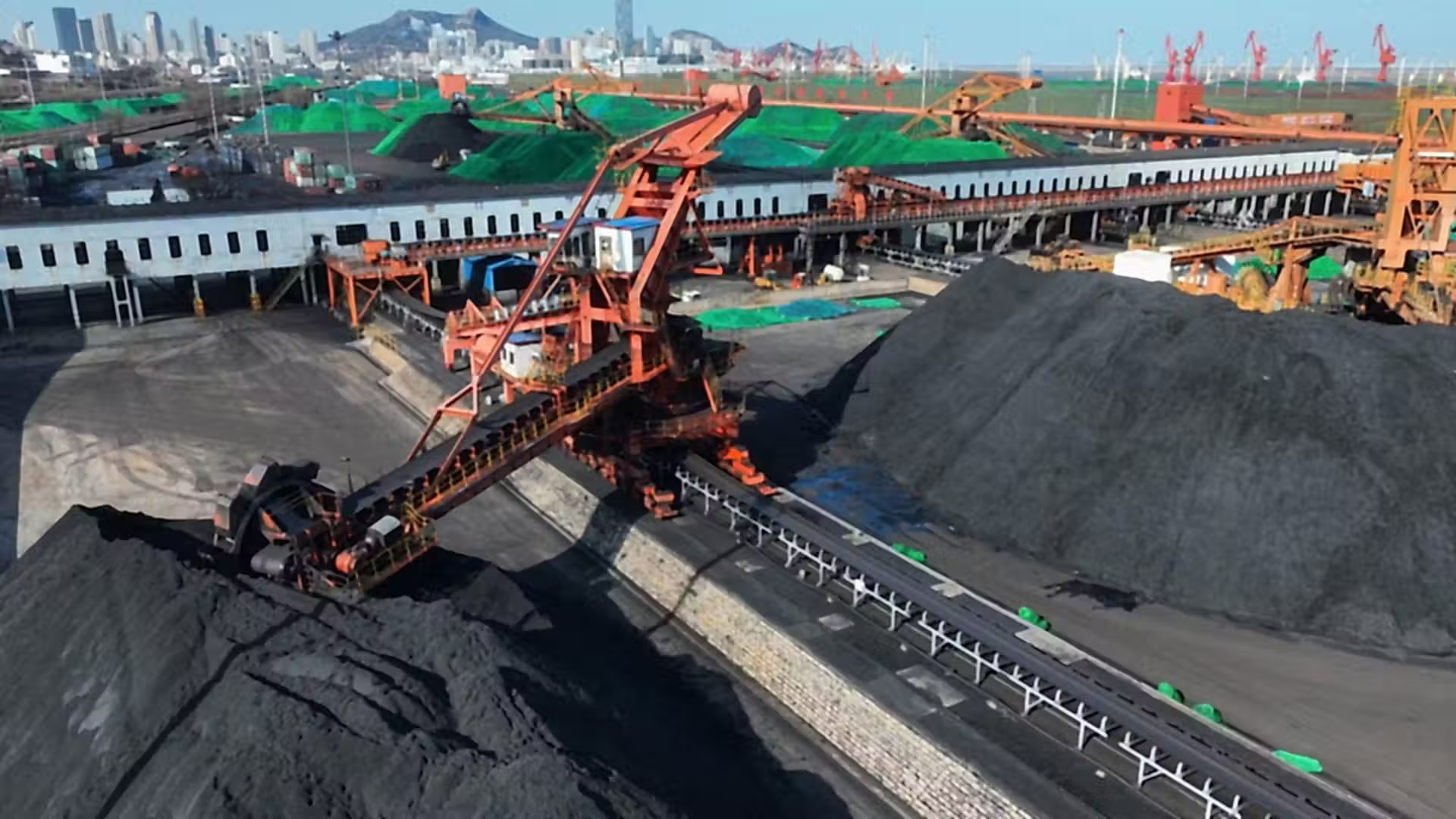
American products receiving tariff relief include agricultural commodities such as corn, wheat, sorghum, meat and dairy products, as well as timber, cosmetics and medical equipment. China will also reduce tariffs on US coal, with the country expected to import at least 10 million metric tons annually in 2027 and 2028, according to reports.
Chinese goods subject to lower tariffs include fireworks, kitchenware, flashlights, baseballs, softballs, fishhooks, small household appliances, toys, holiday decorations and car seats. The White House released a list of 1,619 US goods items entering China under the agreement, while the US will reduce tariffs on 77 categories of Chinese products.
China's Commerce Ministry said approximately 90 percent of the products included in the agreement will be freed from additional mutual tariffs and will instead be subject only to most-favored-nation tariff rates, once both countries complete their respective internal procedures.
The tariff reduction arrangement follows an earlier decision by the world's two largest economies to extend by two months a trade truce that had been due to expire November 10. US Treasury Secretary Scott Bessent said Wednesday that the extension would provide more time to work toward a potentially broader trade agreement.
The two countries also agreed to establish a trade council and extend outcomes from earlier talks held in Kuala Lumpur. On artificial intelligence, the sides agreed to launch a dialogue to discuss risks and benefits of the technology, with the next round of discussions scheduled for November. They also agreed to establish a communication channel for incidents related to artificial intelligence.
The agreements formed part of an eight-point consensus reached during Xi's visit to the United States. Chinese state news agency Xinhua reported Saturday that Xi had returned to Beijing following the summit.