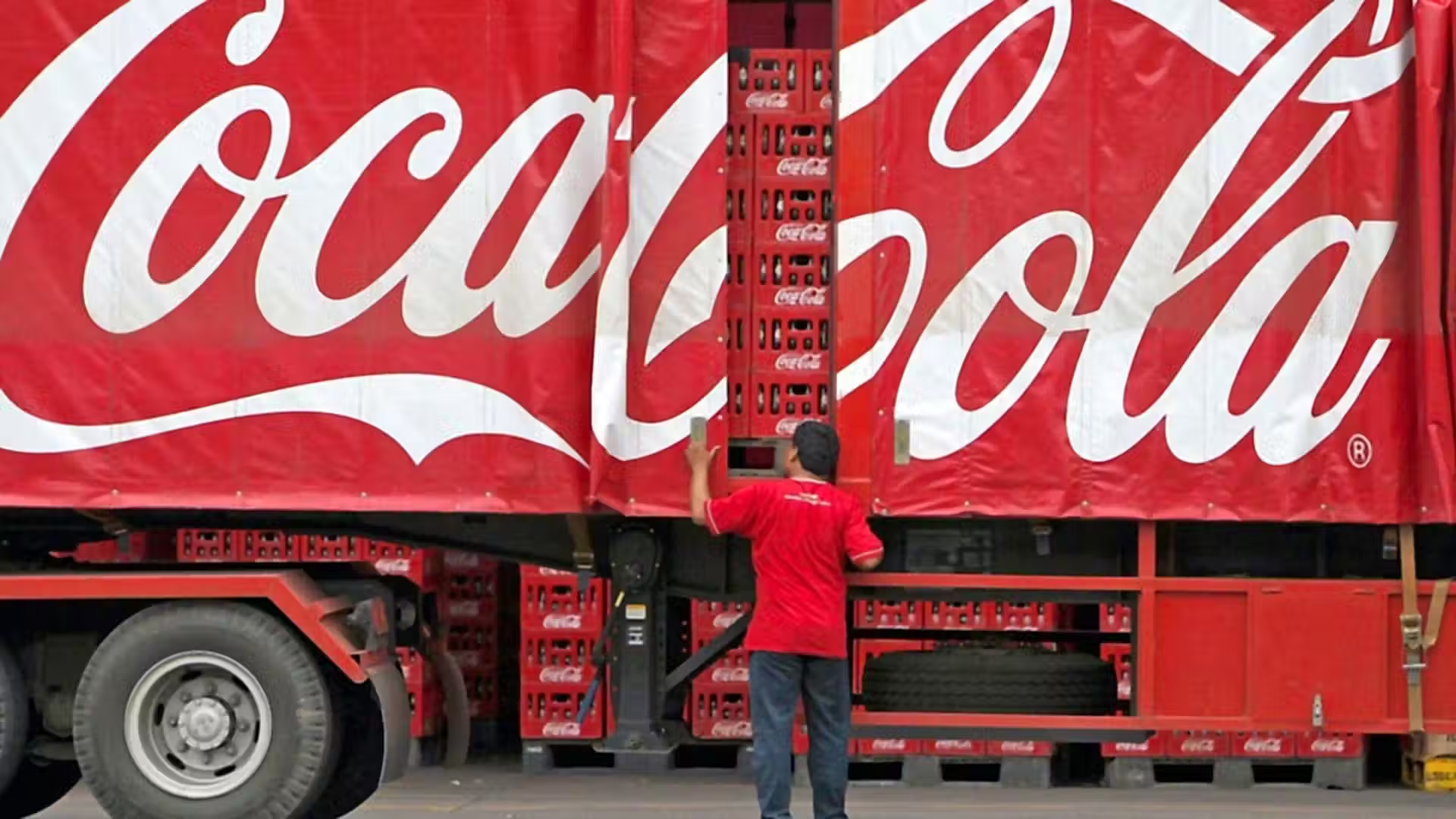
Germany's governing coalition approved a tax on sugar-sweetened beverages Wednesday, resolving a dispute over the measure that will take effect July 1, 2027.
The Cabinet endorsed the draft legislation following a meeting of the Council of Ministers, according to a statement from the Finance Ministry. The bill still requires parliamentary approval, though the governing coalition of conservatives and social democrats holds a majority.
The tax structure establishes two tiers based on sugar content. Beverages containing at least five grams of sugar per 100 milliliters will face a tax of 26 cents per liter. Drinks with at least eight grams of sugar per 100 milliliters will be taxed at 32 cents per liter.
Small producers will receive exemptions from the tax. Companies manufacturing fewer than one million liters of sugary beverages annually will be exempt from the levy, according to reports from media group RND.
Finance Minister Lars Klingbeil of the Social Democratic Party (SPD) stated that the tax aims to serve two purposes: increase revenue for the federal budget and encourage manufacturers to reduce sugar content and make their products healthier.
The German government cited health concerns in justifying the measure. According to the Finance Ministry, excessive sugar consumption increases the risk of obesity, type 2 diabetes, cardiovascular disease, and tooth decay. Annual health care costs attributed to increased consumption of sugary beverages are estimated at approximately 2.1 billion euros.
The tax is intended to help finance the health care system and stabilize statutory health insurance premiums by directing revenue to the health fund. The measure has generated opposition from the agricultural sector.
The coalition had previously delayed the proposal earlier this month before reaching the compromise framework that includes the two-tier structure and exemptions for smaller producers.