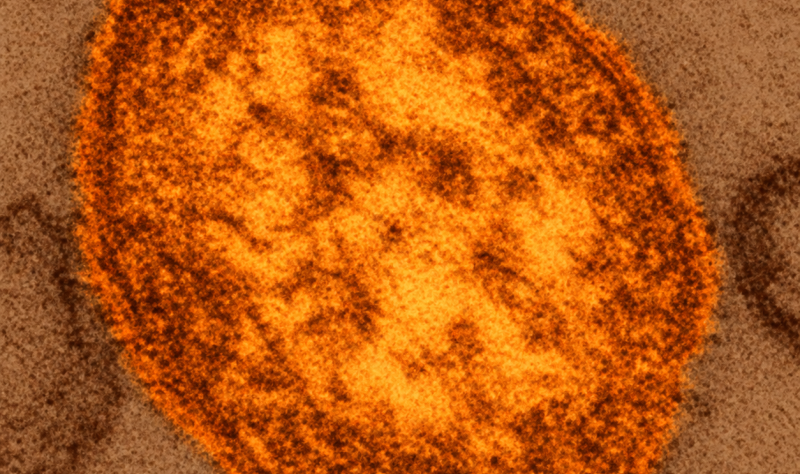
The United States has lost its measles elimination status after the Pan American Health Organization determined that endemic transmission has been reestablished, marking a historic reversal of a public health achievement gained in 2000.
PAHO revoked the U.S. measles elimination status after finding more than 12 months of continuous transmission. The decision came as measles cases surged to over 5,400 in 2026, the highest yearly total in 35 years, with 264 new cases confirmed in a single week in late October.
The outbreak has spread across multiple states. Pennsylvania remains the nation's hardest-hit area, with 1,426 cases by late October, by far the largest state outbreak since the early 1990s. Lancaster County is the epicenter with 493 cases. Wisconsin has recorded 392 cases, with 86% concentrated in four southwestern counties. Minnesota reached its highest measles total in 36 years with 80 cases. Kentucky has 201 cases, Indiana 97, Ohio 296, New York 170, and Iowa 42.
Hospitalizations have climbed to 591, representing 11% of all 2026 cases. Preschoolers face the highest hospitalization rate at 16%, followed by adults 20 and older at 14%. Pennsylvania has reported five measles deaths, with a sixth under investigation, though the CDC has acknowledged only three deaths nationally.
Vaccination rates have declined significantly. Kindergarten MMR coverage fell to 92.4%, below the 95% threshold needed for herd immunity. The vast majority of confirmed cases, 96%, have been in people who are unvaccinated or have unknown vaccination status. Vaccine hesitancy has been cited as a major factor in the outbreak's spread.
Children and young people account for a substantial portion of cases. Seventeen percent of confirmed cases have been in children under 5 years old, and 41% have been in children and teens ages 5 to 19. However, Pennsylvania's outbreak has differed from the national trend, with 67% of reported cases involving adults.
The CDC has logged 43 measles outbreaks across the country in 2026, compared with 48 for all of 2025, which saw 2,289 cases by year's end. All but 18 infections this year have been locally acquired, with the remainder involving international travelers. The outbreak has marked the 12th straight week of triple-digit increases nationwide as of late October.