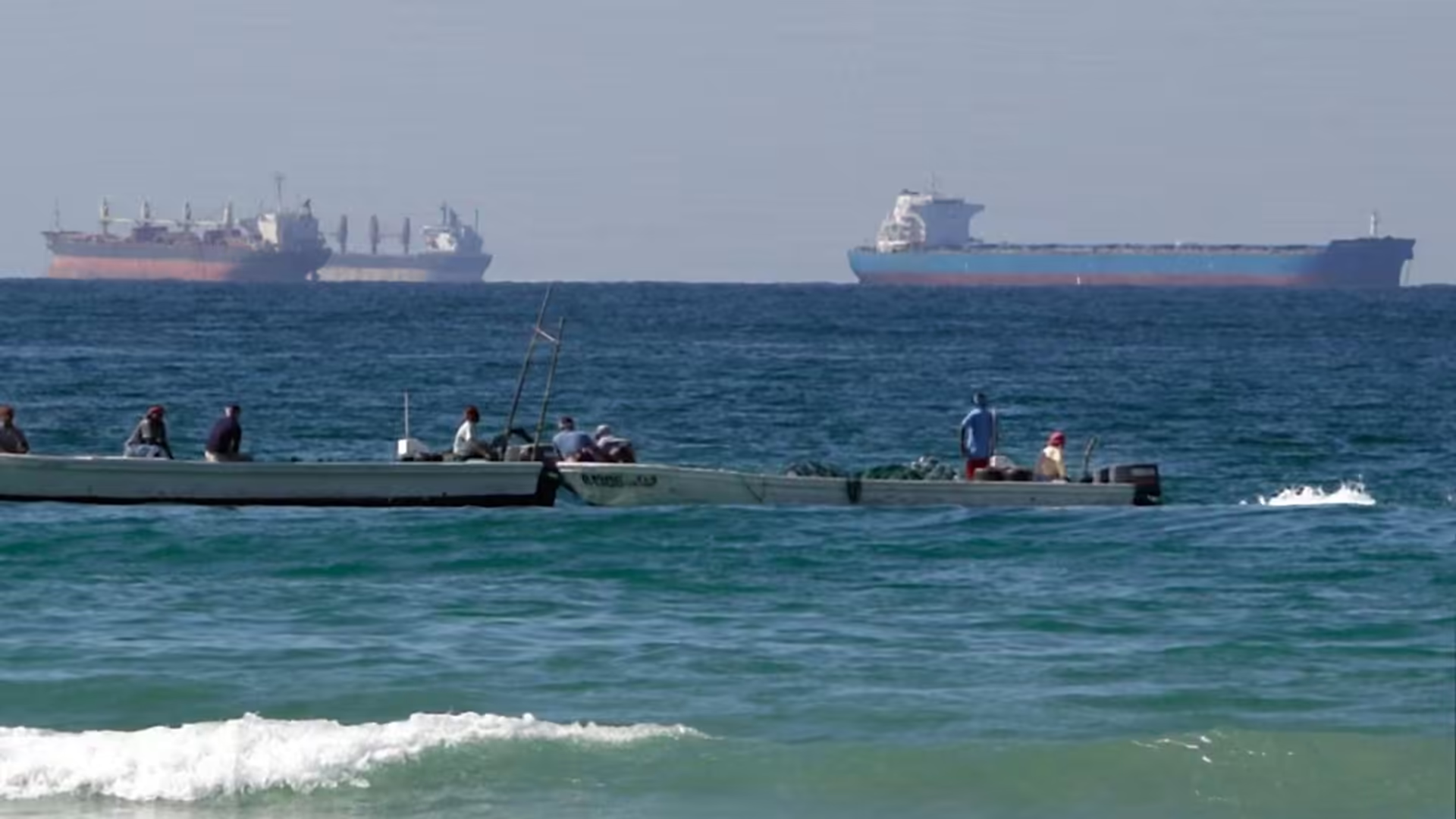
Oil prices surge as Strait of Hormuz traffic halts following U.S.-Israel attacks on Iran
Marine traffic through the critical waterway has slowed dramatically, with crude and diesel futures climbing sharply amid supply concerns.
March 2, 2026
Marine traffic through the Strait of Hormuz has slowed to a trickle following U.S. and Israel attacks on Iran over the weekend, triggering sharp increases in global oil and energy prices.
Crude oil futures rose approximately 7 to 10 percent, with Brent crude trading near $80 per barrel. Diesel futures surged more than 20 percent. The price movements represent the largest oil gain in four years, according to market analysts.
The strait, a narrow waterway connecting the Persian Gulf with the Gulf of Oman, handles roughly one-fifth of global seaborne oil shipments, one-fifth of worldwide liquefied natural gas shipments, and about one-third of global urea fertilizer trade. The closure follows Iranian authorities' decision to restrict the waterway after the military strikes on Saturday, February 28.
At least four vessels were attacked in the area on either side of the strait, the U.K. Maritime Trade Operations Center reported. The center also warned of elevated electronic interference affecting ship navigation systems. Shipping companies and operators have imposed self-imposed pauses on transits as the conflict escalates.
A major Saudi Arabian refinery suspended operations, contributing to supply constraints. QatarEnergy halted gas production after one of its operating facilities was struck by a drone.
Kevin Book, managing director at Clearview Energy Partners, noted that infrastructure throughout the region faces multiple risks. "Infrastructure is at risk throughout the region, and it's not just at risk because of deliberate attacks, but also inadvertent attacks," Book said. "Shrapnel and debris from missile interceptions can fall onto facilities and disable them too, and so there are a number of challenges that come from this kind of conflict."
Wall Street analysts said Monday that the slowdown in marine traffic heightens concerns the conflict could constrain oil supplies and drive up energy costs. Joseph Capurso, head of global economics at the Commonwealth Bank of Australia, characterized the current situation as among the worst possible Middle East scenarios for the global economy.
The disruption affects multiple commodities and supply chains. Beyond oil and gas, the closure threatens fertilizer shipments at a time when global agricultural markets face existing pressures. The combination of reduced shipping capacity and infrastructure damage creates cascading economic risks for energy-dependent economies worldwide.