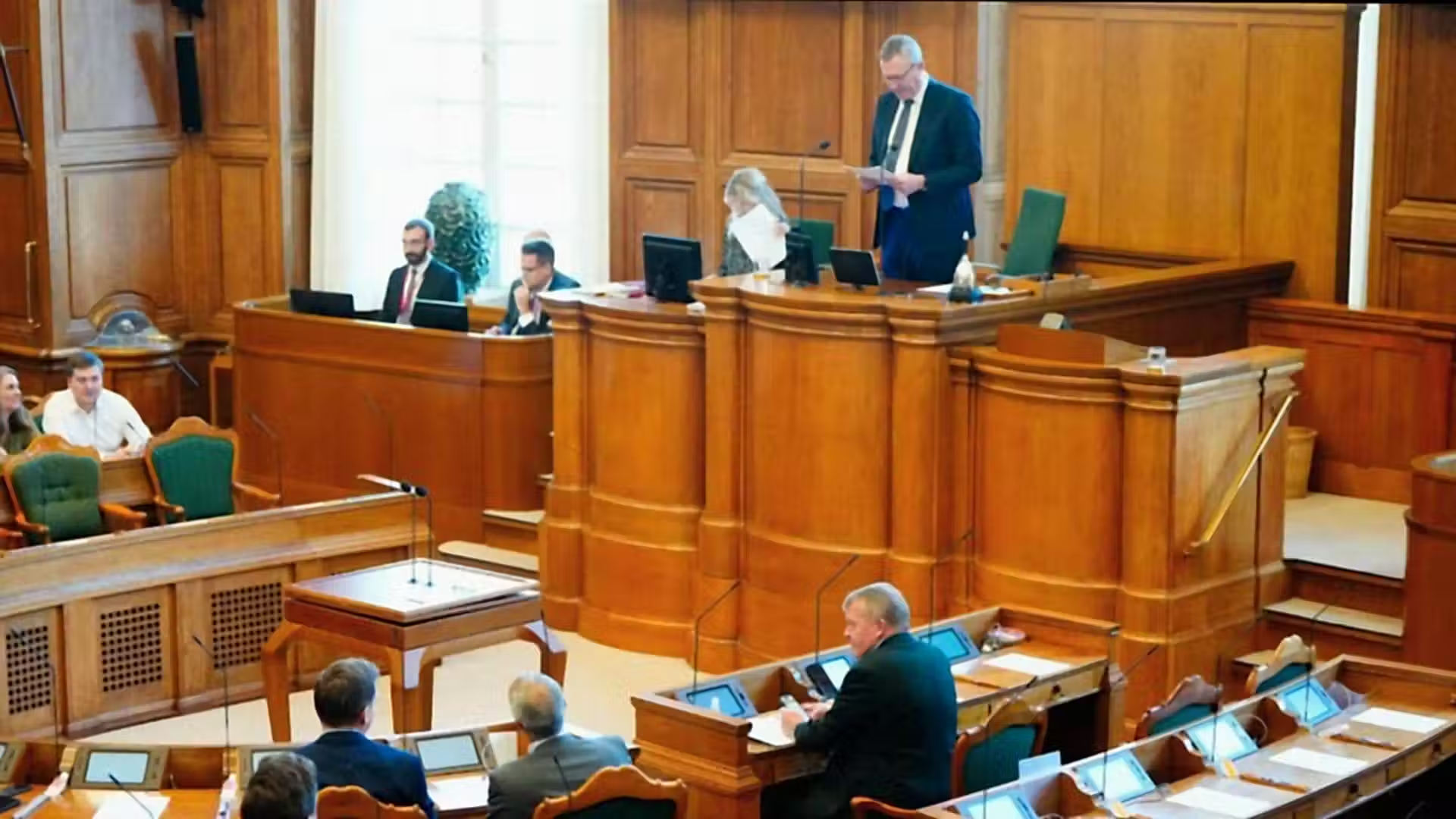
Denmark's parliament approved a trilateral security agreement with the United States and Greenland on Thursday in a 109-0 vote, resolving months of tensions over Trump administration pressure regarding a possible U.S. takeover of the Arctic territory.
The deal modernizes the defense partnership between the three parties and allows for expanded U.S. military presence in Greenland, a semiautonomous Danish territory and NATO ally. It paves the way for new U.S. bases at Narsarsuaq and Mestersvig in Greenland.
Secretary of State Marco Rubio said the agreement "will make us all safer, stronger, and more secure" and bolsters national security for the United States and its NATO allies. The accord enters into force once Denmark and Greenland notify the United States through a diplomatic note of completion of their parliamentary procedures.
Greenland's parliament approved the agreement earlier in November without opposition. Danish Prime Minister Mette Frederiksen said the process had been difficult but that the agreement respects Denmark's sovereignty and territorial integrity and Greenlanders' right to self-determination.
Greenlandic Prime Minister Jens-Frederik Nielsen said the vote would bring "greater calm and a sense of security" after a period when many Greenlanders were concerned about their country's future.
Danish Foreign Minister Lars Løkke Rasmussen told Greenlandic media he has "yet to see what ambitions the Americans really have" regarding Greenland. He said there has been no further dialogue with the U.S. about establishing the two new military bases since the agreement was signed in New York in September. Any new U.S. requests to use opportunities created by the accord will be addressed in a permanent committee between the parties, with the next meeting scheduled for December, he said.
Greenland's opposition Naleraq party, which received 25 percent of votes in the 2025 parliamentary election, opposed the agreement and sought a public referendum. The party criticized Greenland for not benefiting from the deal. During Greenland's parliamentary debate, Foreign Minister Múte B. Egede accused Naleraq of leaking confidential information about the agreement to the public, prompting parliament to file a police complaint against the party. Naleraq responded with a no-confidence motion against Egede, which failed to gain majority support.
The agreement amends and supplements a 1951 defense accord between the three parties.