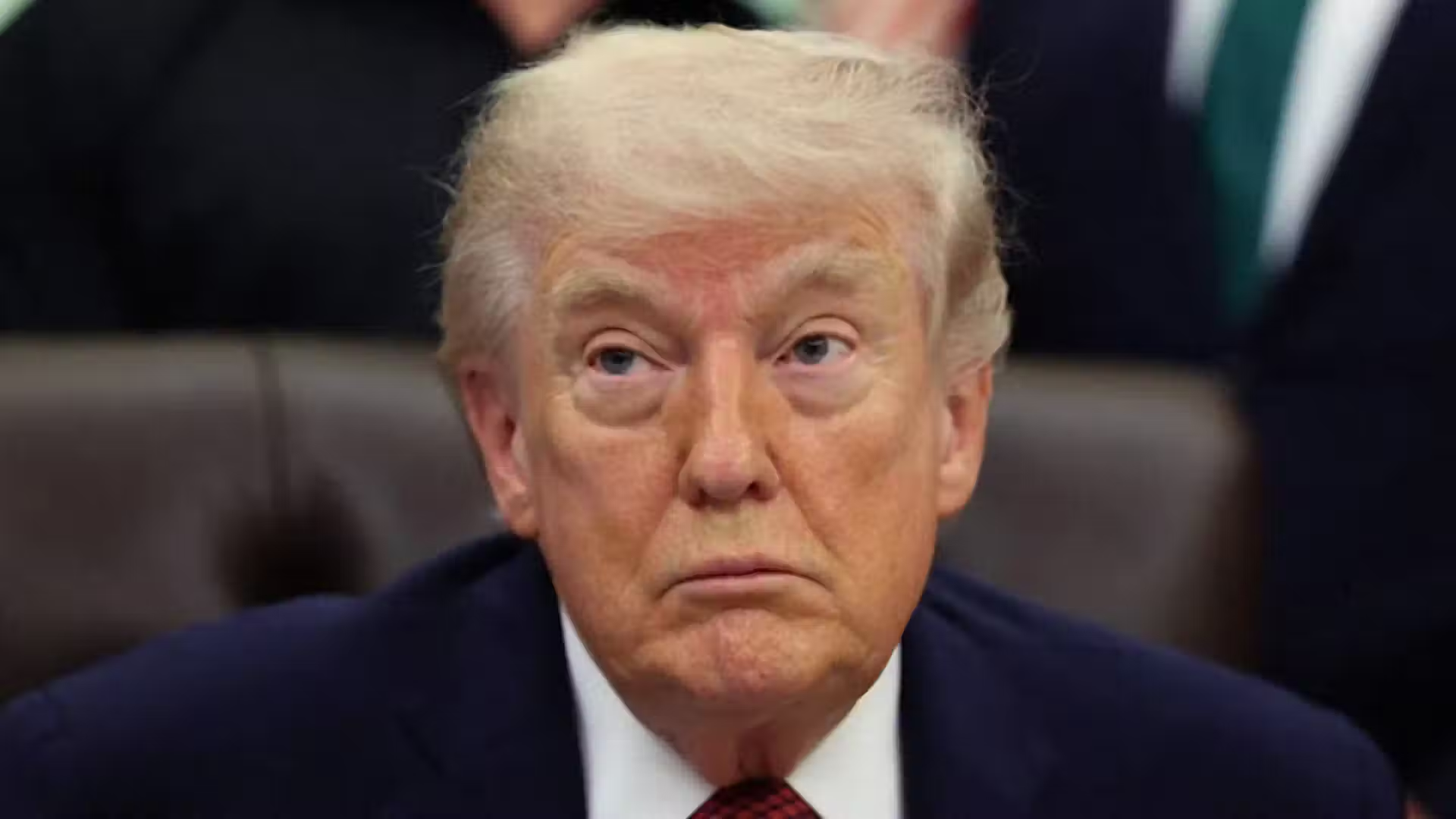
President Donald Trump wants Ukraine and Russia to reach a peace agreement by early January, according to the Financial Times, which cited four people briefed on the negotiations.
Trump's administration informed European and Ukrainian authorities of the timeline, the Financial Times reported. The deadline comes before Democrats take control of Congress, when they are expected to push for increased support to Ukraine and additional pressure on Moscow.
Trump's special envoy Steve Witkoff and son-in-law Jared Kushner resumed negotiations with Ukrainian and Russian officials in Abu Dhabi earlier this month after eight months of inactivity. In recent days, they held a series of meetings with Russian, Ukrainian and European officials in Moscow, Dublin and Berlin, conveying a sense of urgency, according to people familiar with the discussions.
"The Americans are pushing hard and there is concern that significant concessions will be required from Ukraine's side in order to have even an approach to some agreement," a European official said after meeting with Kushner and Witkoff. "The Americans are in a hurry, Putin is not in a hurry at all," another official said.
The timeline has intensified concerns in Kyiv that Ukrainian President Volodymyr Zelenskyy may be forced to accept an agreement on Moscow's terms before Democrats take control of Congress, a senior Ukrainian official said. "Trump sympathizes with Putin and wants to finish all this by January," the official said, noting that Russia "could achieve better terms" if an agreement is reached before January.
Trump met with Russian President Vladimir Putin in China this week and said afterward that Putin made clear Moscow is "ready for peace." Putin demanded Thursday, after his summit with Trump and Chinese President Xi Jinping in Shenzhen, that Ukraine and its European allies accept certain "compromises" and "realities." These include Moscow's longstanding demand that Kyiv cede territory in the Donbas region and accept Ukraine's non-membership in NATO and restrictions on its armed forces. Russia is also pressing for sweeping changes to European security architecture established after the Cold War, including NATO withdrawal of troops and weapons systems from its eastern flank.
While the Trump administration has not pressured Ukraine to make specific concessions to Russia, Democrats in Congress intend to use their legislative authority to increase support for Ukraine and impose further sanctions on Moscow. They have also committed to using their oversight powers to scrutinize Trump's foreign policy and the business interests of Witkoff and Kushner.
The White House did not respond to a request for comment.